

News on the Frontiers Planet Prize
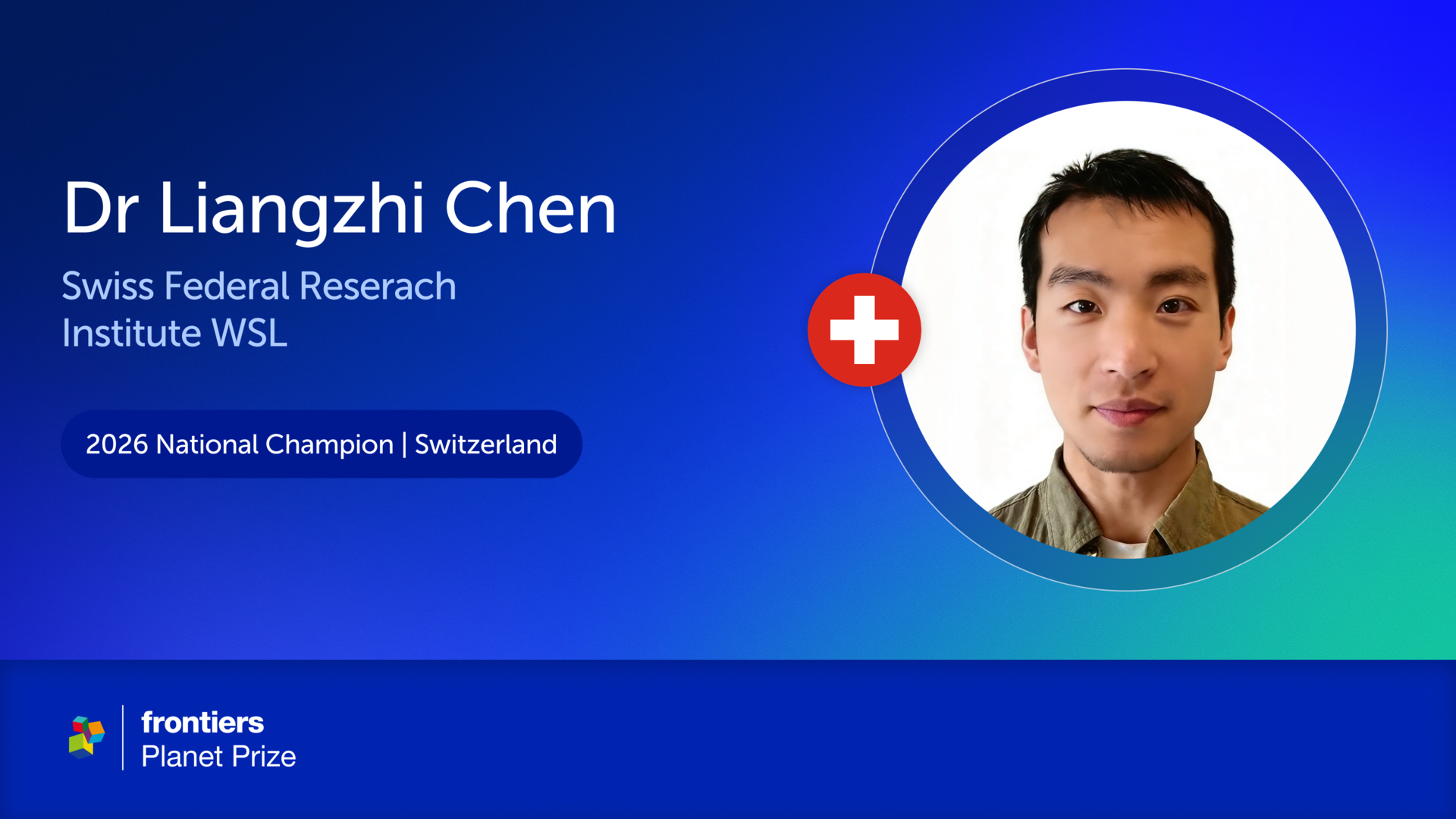
Global multiyear droughts: a silent destabiliser of Earth’s life-support systems
Dr Liangzhi Chen from Swiss Federal Research Institute WSL, National Champion for Switzerland, reveals increasing occurrence and severity of multiyear droughts globally, with significant impacts on vegetation and ecosystem functioning.
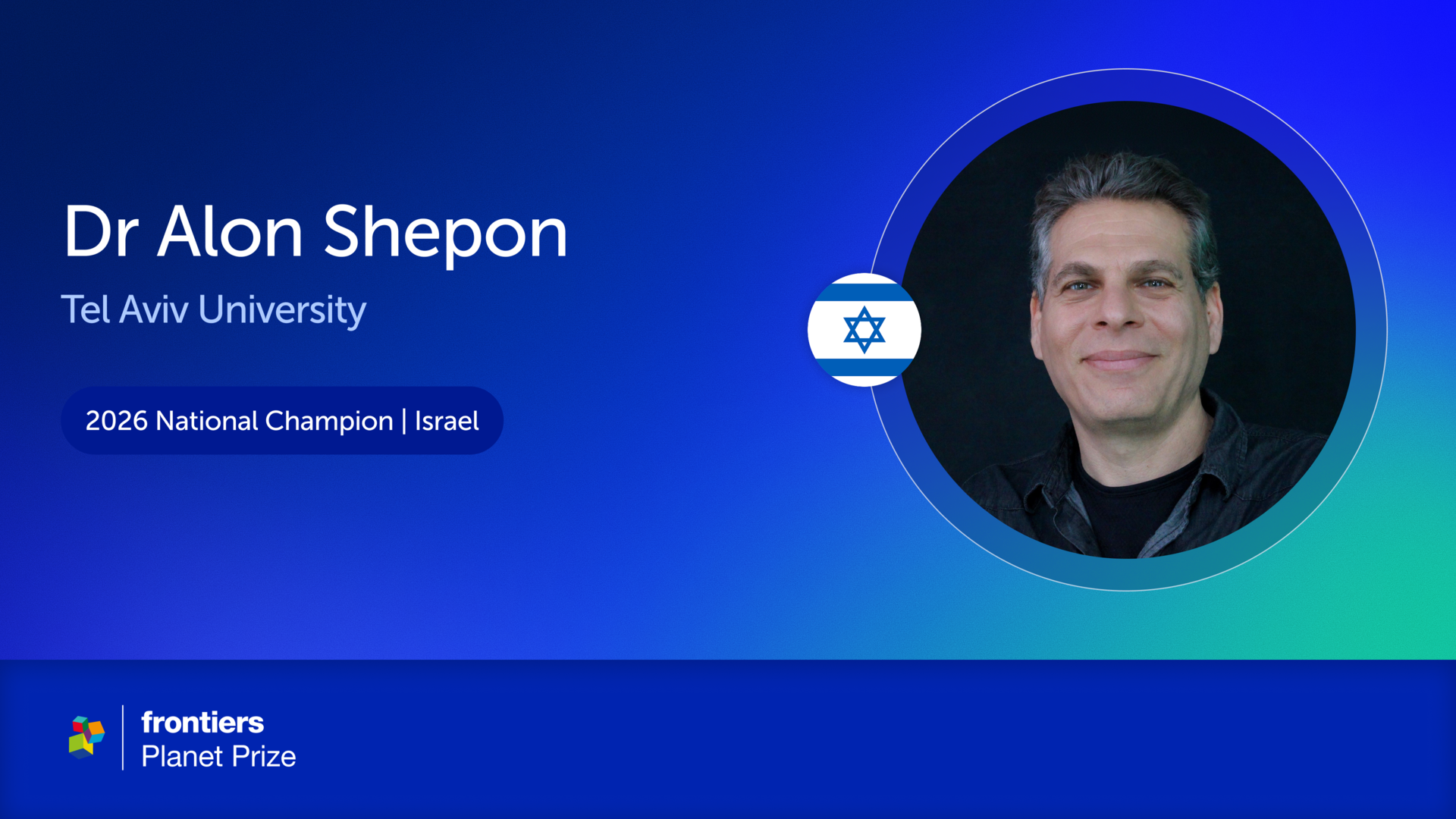
The environmental and social opportunities of reducing sugar intake
Dr Alon Shepon from Tel Aviv University, National Champion for Israel, proposes a Sugar Transition Partnership to help sugar-producing countries reduce or repurpose sugar production while protecting livelihoods and economies.
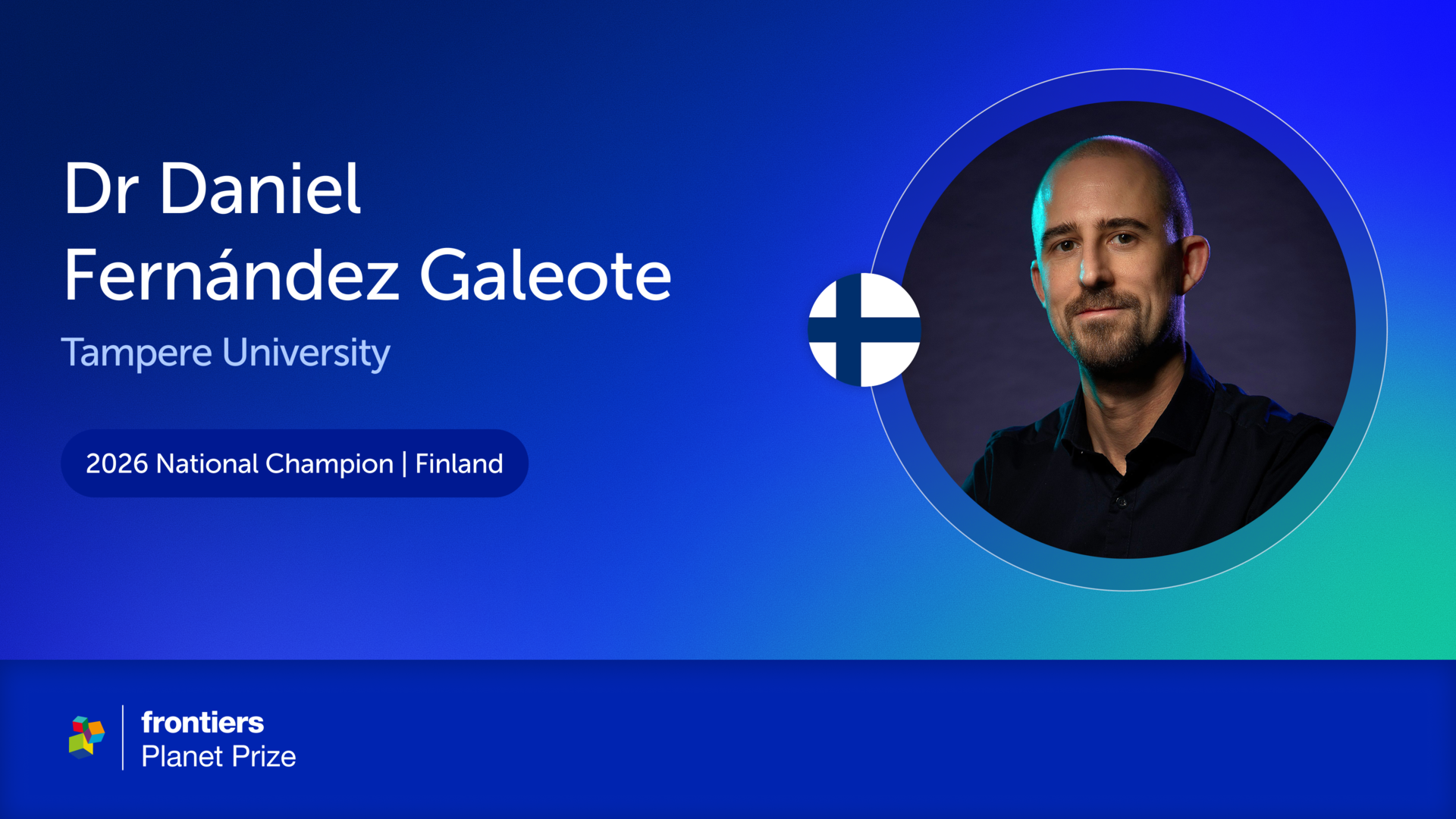
Play and games for engagement with sustainability transitions
Dr Daniel Fernández Galeote, from Tampere University, National Champion for Finland proposes a clear framework to advance the research and practice of playful and gameful interventions to advance sustainability transitions.
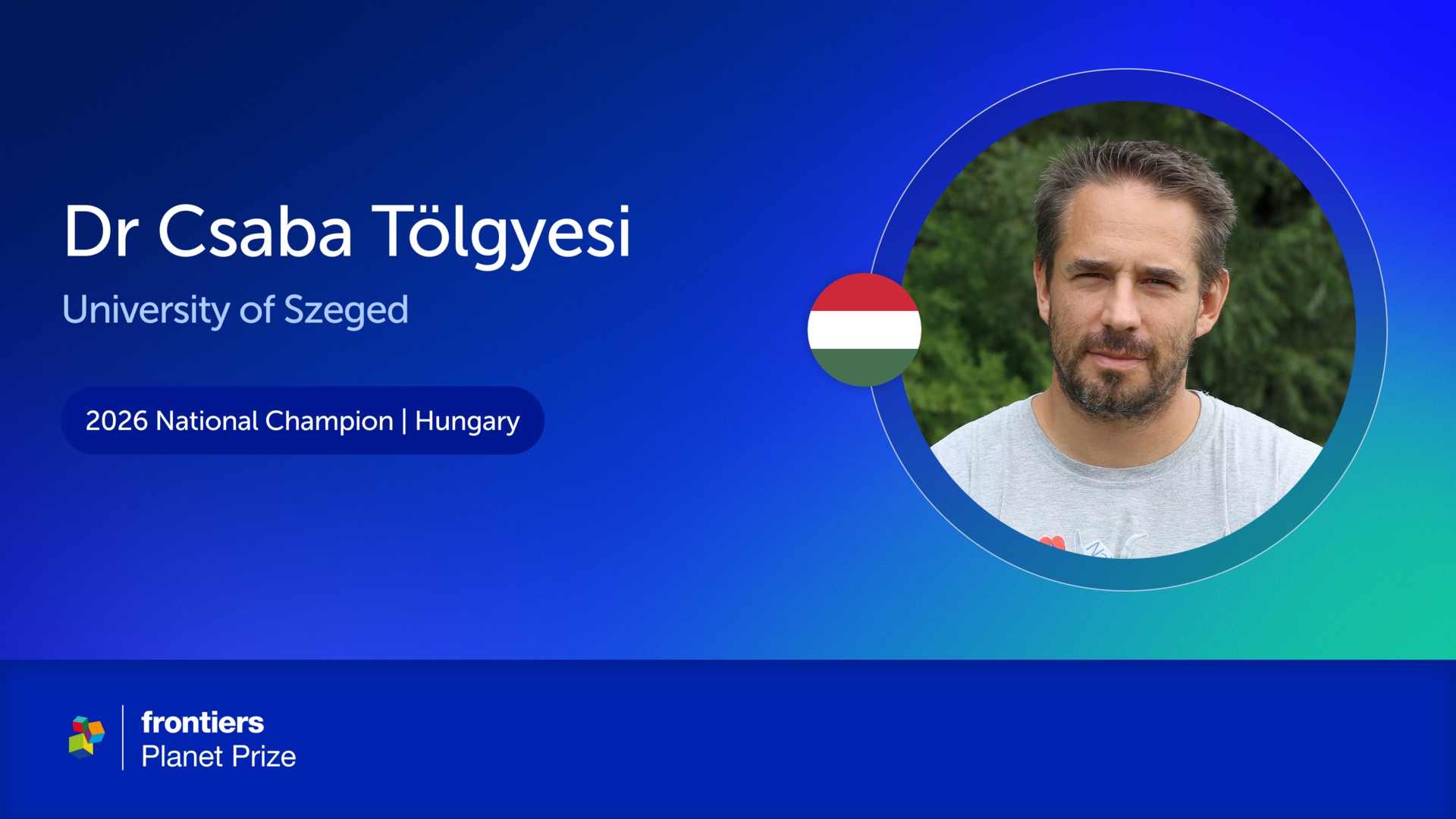
Limited carbon sequestration potential from global ecosystem restoration
Dr Csaba Tölgyesi from University of Szeged, National Champion for Hungary, provides a framework for rethinking ecosystem restoration as a tool for climate adaptation rather than a carbon offset.
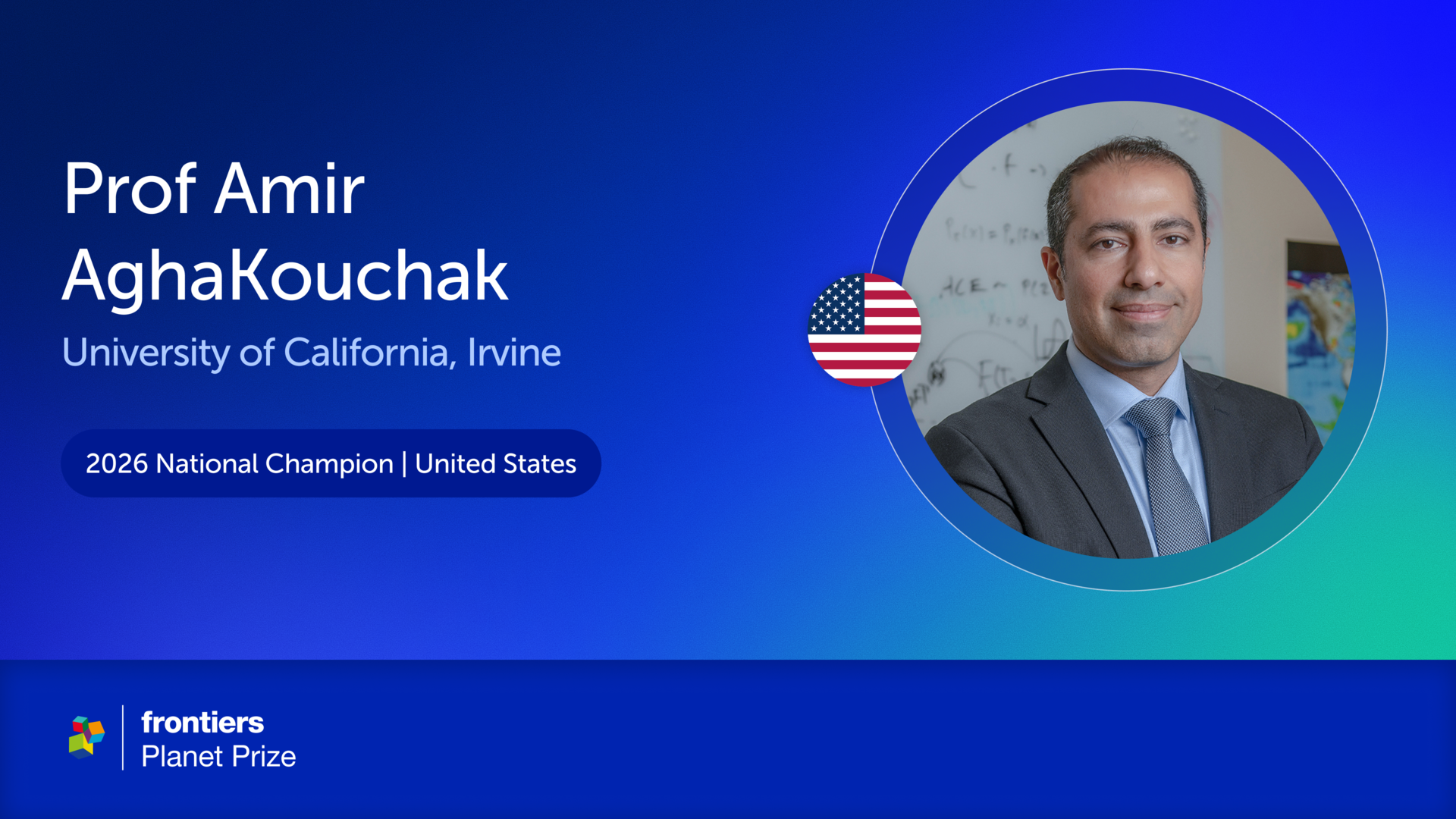
From Drought Anomalies to Actionable Water Risk
Prof Amir AghaKouchak from the University of California, Irvine, National Champion for United States, delivers the first global methodology to identify and monitor lake droughts, providing an actionable tool for managing freshwater scarcity.
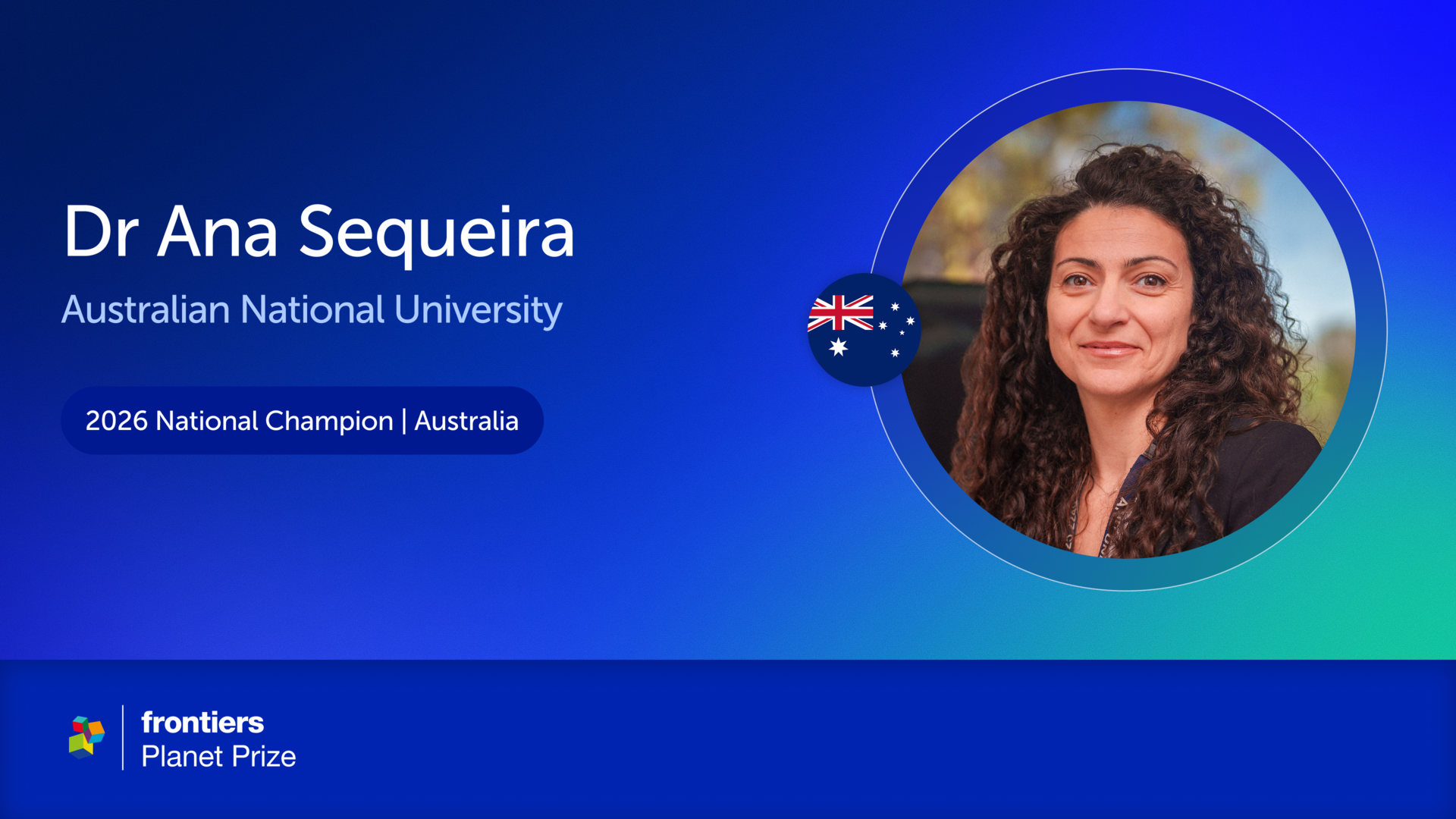
From hidden highways to global action: a planetary blueprint to advance conservation of marine megafauna
Dr Ana Sequeira from the Australian National University, National Champion for Australia outlines how to achieve current global conservation targets by revealing the space use of migratory marine megafauna - whales, sharks, turtles, polar bears, and more.
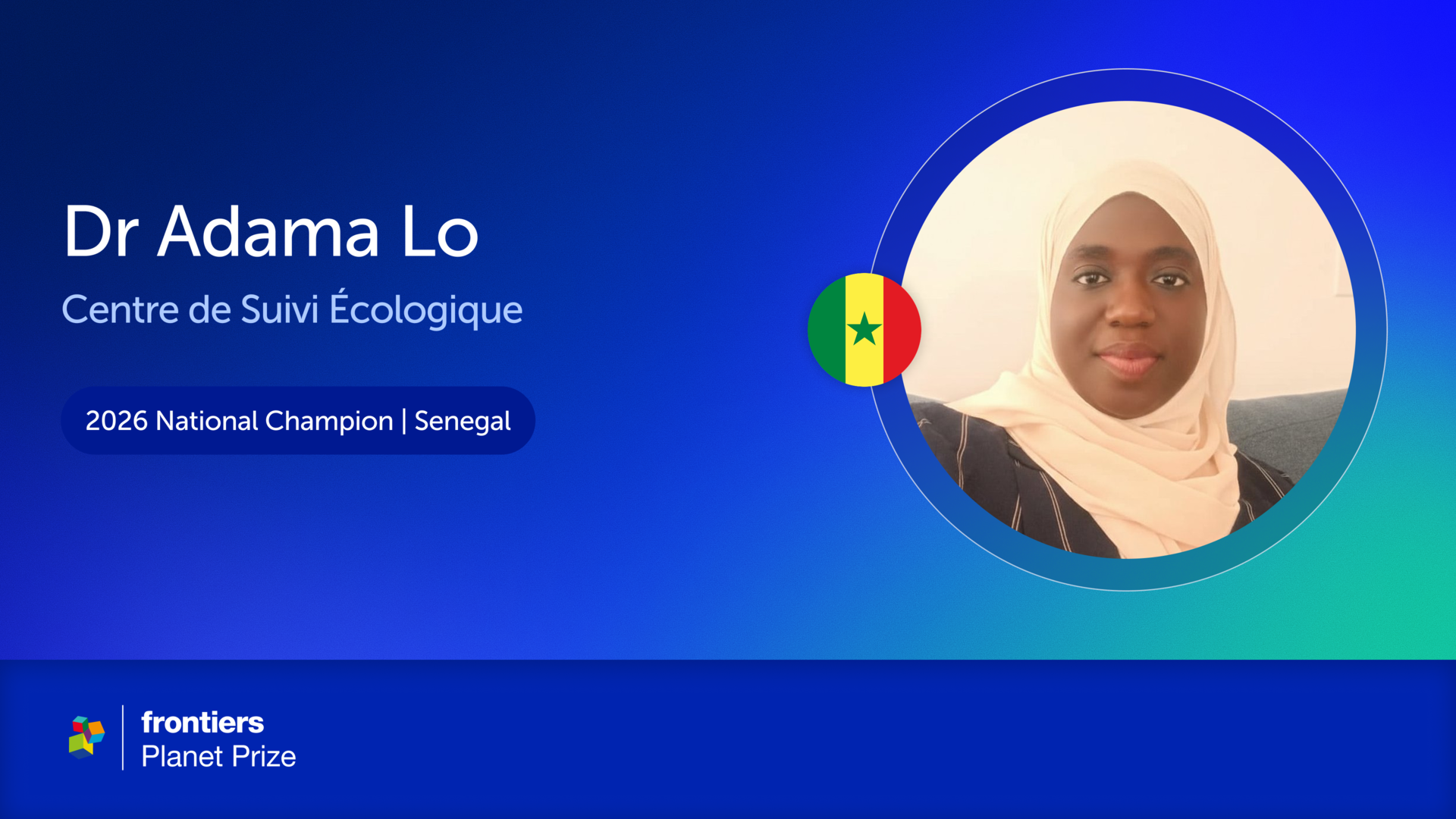
Satellite data can reliably estimate key forage quality indicators in drylands
Dr Adama Lo from Centre de Suivi Écologique, National Champion for Senegal, provides a transformative contribution to sustainable rangeland management in the Sahel, one of the most vulnerable regions to climate change,.
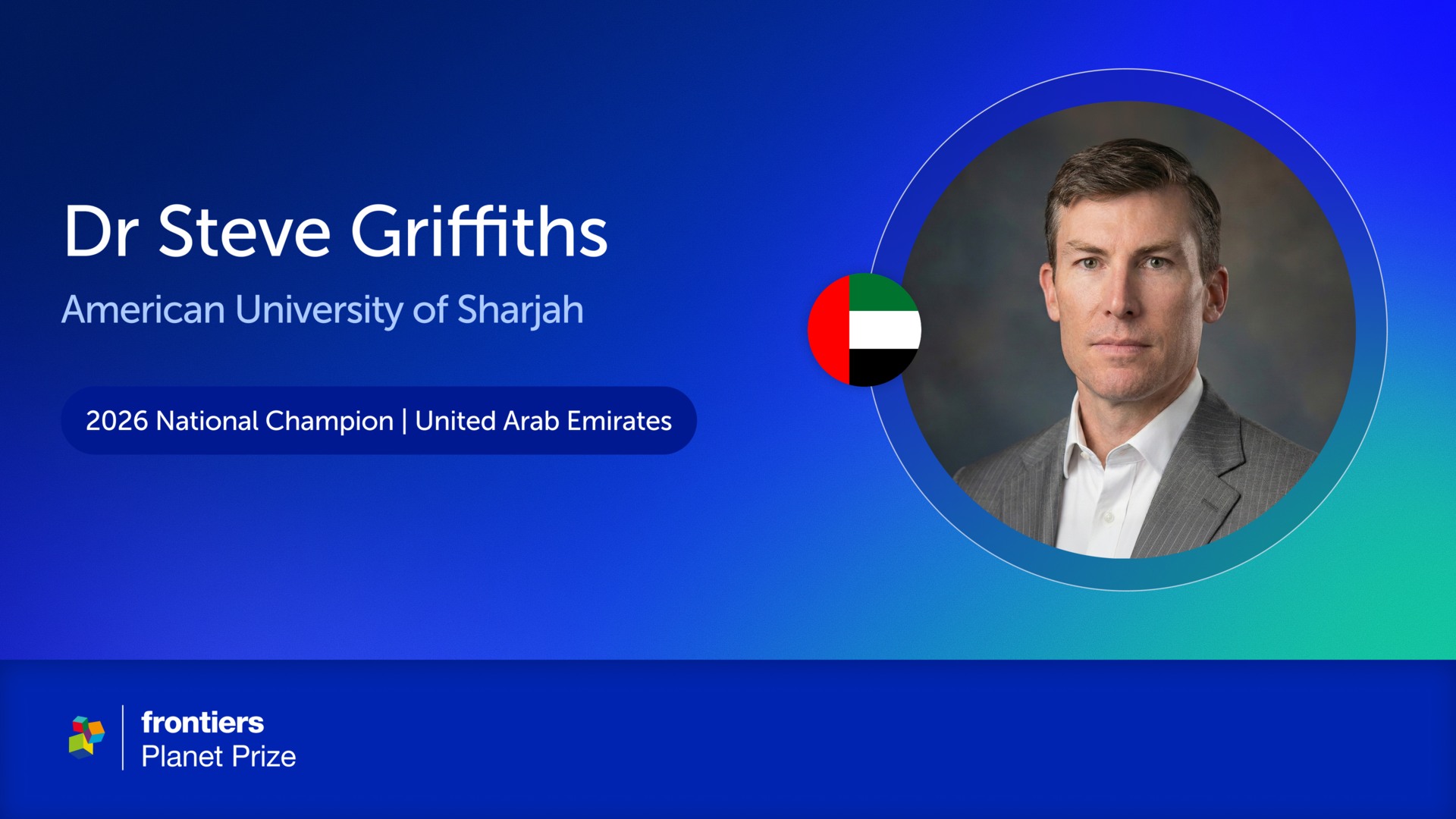
Bringing Carbon Capture to Scale: A Framework for Matching Chemistry to Context
Dr Steve Griffiths from American University of Sharjah, National Champion for the United Arab Emirates, provides comprehensive insights into the chemistry driving five major industrial carbon capture (CC) technologies at TRL 4+: absorption, adsorption, membrane-based, cryogenic, and electroswing.
Constraints on low climate sensitivity models
Dr Gunnar Myhre from CICERO Centre for International Climate Research, National Champion for Norway, reveals that the planet is absorbing more solar energy and emitting more longwave radiation than most climate models simulate.
Mapping Resilient Landscapes to Climate Change in a Megadiverse Country
Dr Leticia Garcia from Federal University of Mato Grosso do Sul, National Champion for Brazil , provides the first high-resolution, countrywide mapping of climate-resilient terrestrial landscapes in Brazil, integrating microclimatic heterogeneity and local connectedness to identify areas with higher potential to buffer climate change.
Integrating Sufficiency in the EU Biomass Use and Trade to Restore Biosphere Integrity
Dr Nicolas Roux from the University of Natural Resources and Life Sciences Vienna, National Champion for Austria, explores how to integrate sufficiency into EU domestic policies and EU trade strategies to align trade with biosphere integrity.
We need to end the GDP-obsession and put human and planetary wellbeing at the heart of policy
Dr Rutger Hoekstra from Leiden University, National Champion for the Netherlands, strengthens the Beyond GDP movement, by stressing the common focus on Sustainable and Inclusive Wellbeing and providing a ready-to-use dashboard linking planetary boundaries to broader socio-economic developments.
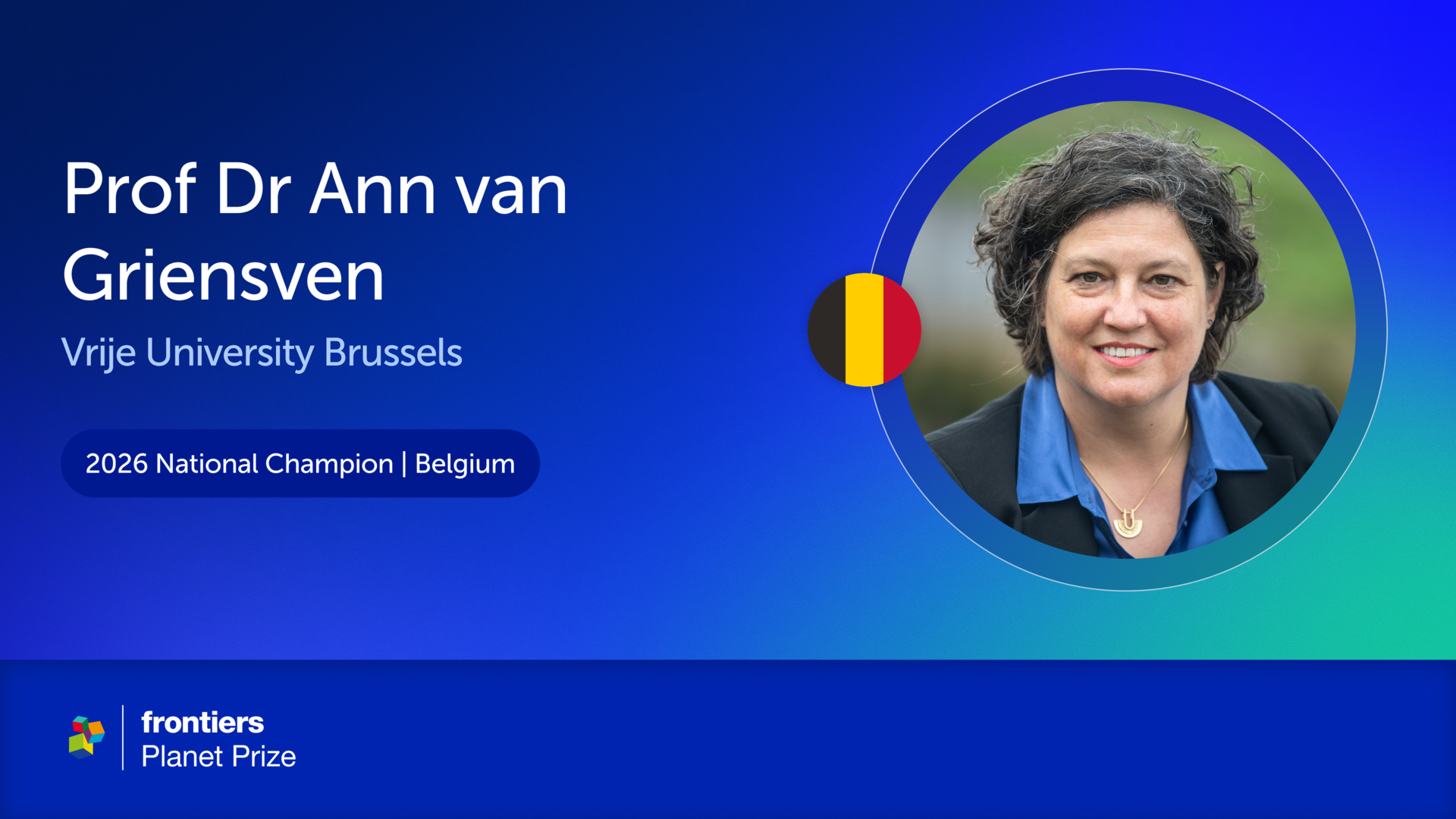
Water Governance in a Changing Planet: From Global Hydrological Models to Local Decisions
Prof Ann van Griensven from Vrije University Brussels, National Champion for Belgium, provides an actionable pathway for climate adaptation by integrating land-use management directly into water resource policy across Africa.
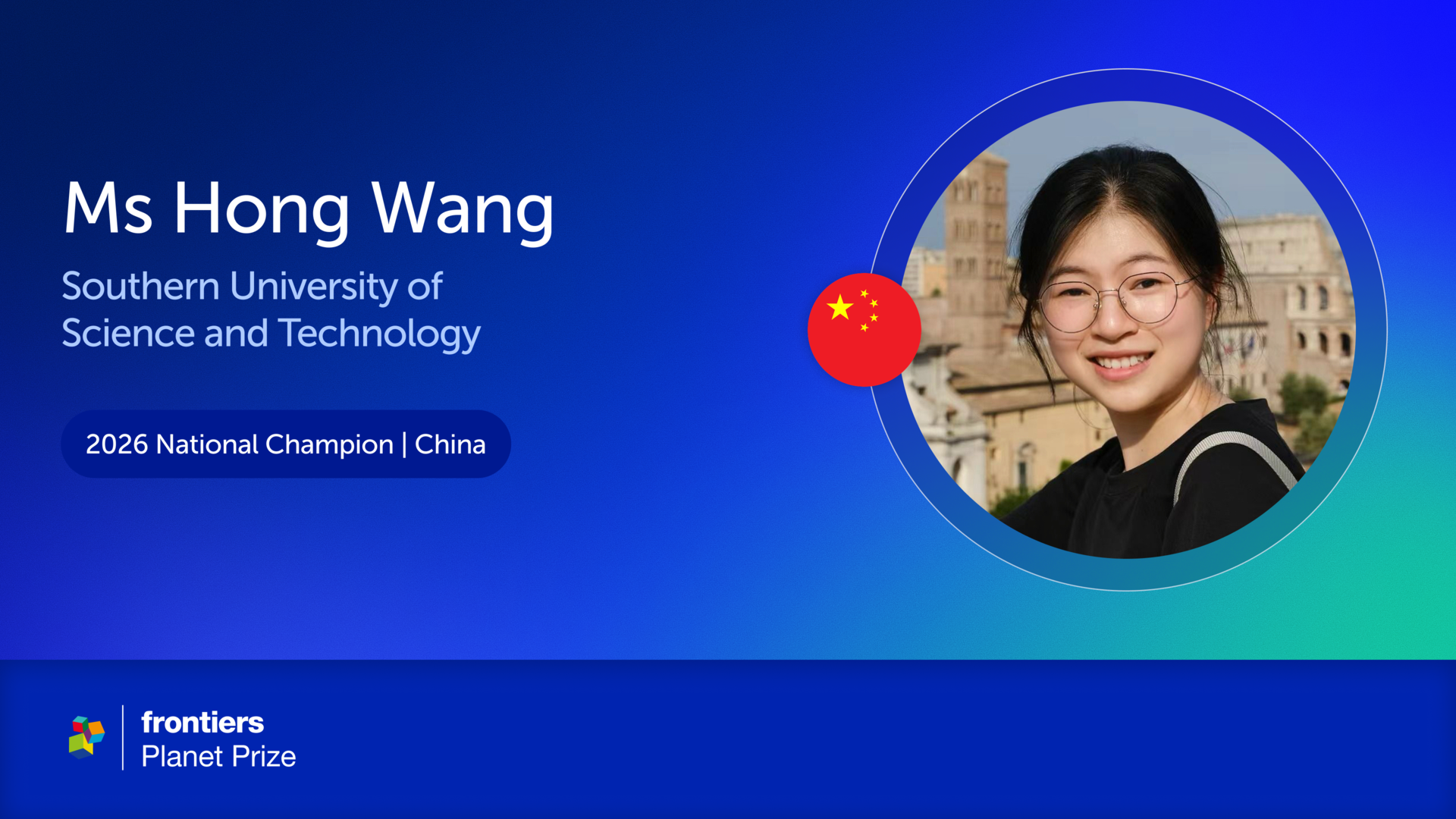
Human-induced Warming Disrupts Seasonal Flow of Rivers
Ms Hong Wang from the Southern University of Science and Technology, National Champion for China, provides the first global-scale detection and attribution of how anthropogenic climate change is reshaping the seasonal rhythm of the world’s rivers.
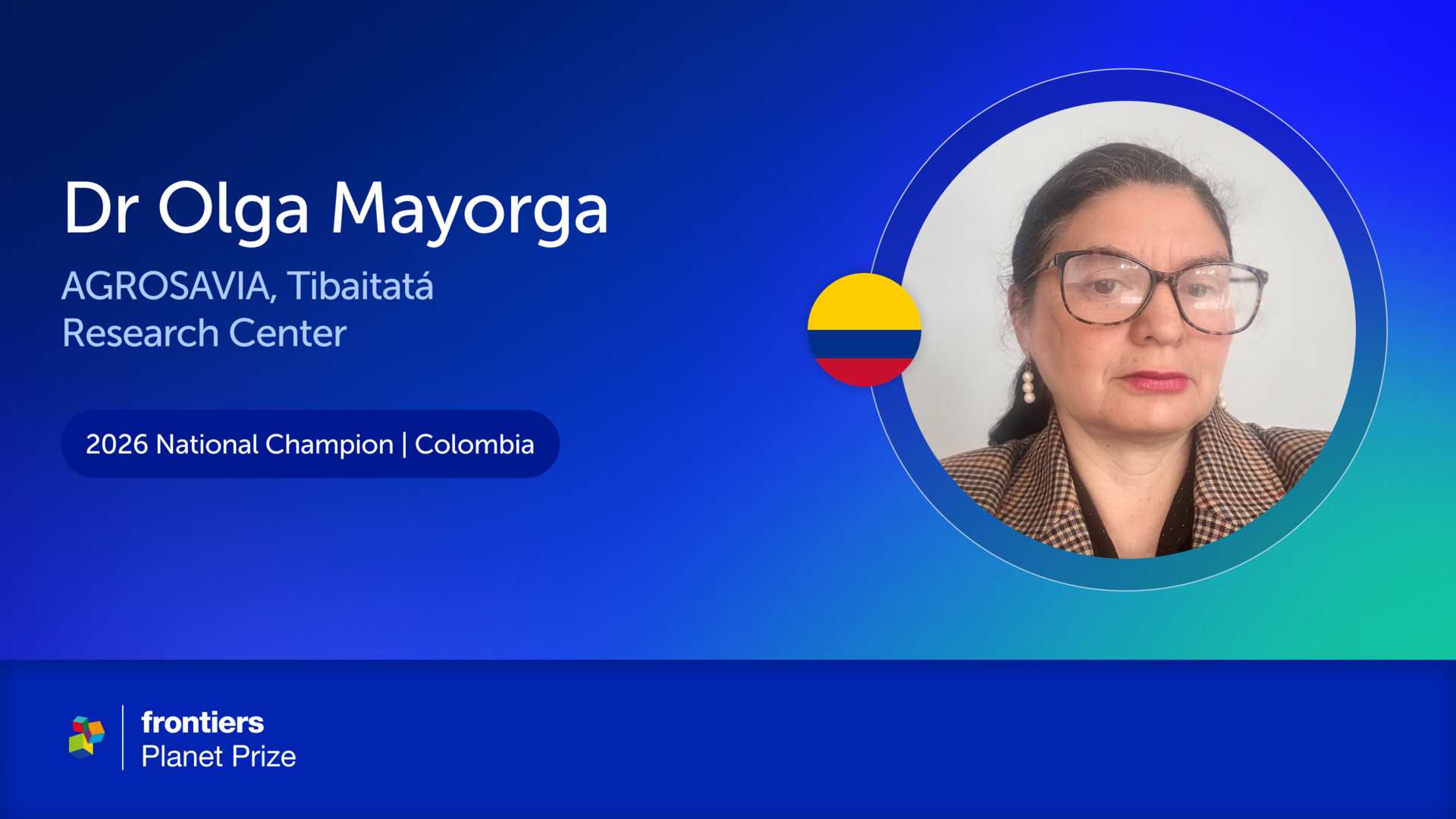
Shrubs, Rumen Modulation and a Safer Climate: Practical Pathways for Low-Emission Dairy in the Colombian Andes
Dr Olga Mayorga from AGROSAVIA Tibaitatá Research Center, National Champion for Colombia, provides quantitative, reproducible evidence for smallholders in the tropical highlands that shrub intervention increases productivity and reduces GHG emissions intensity.
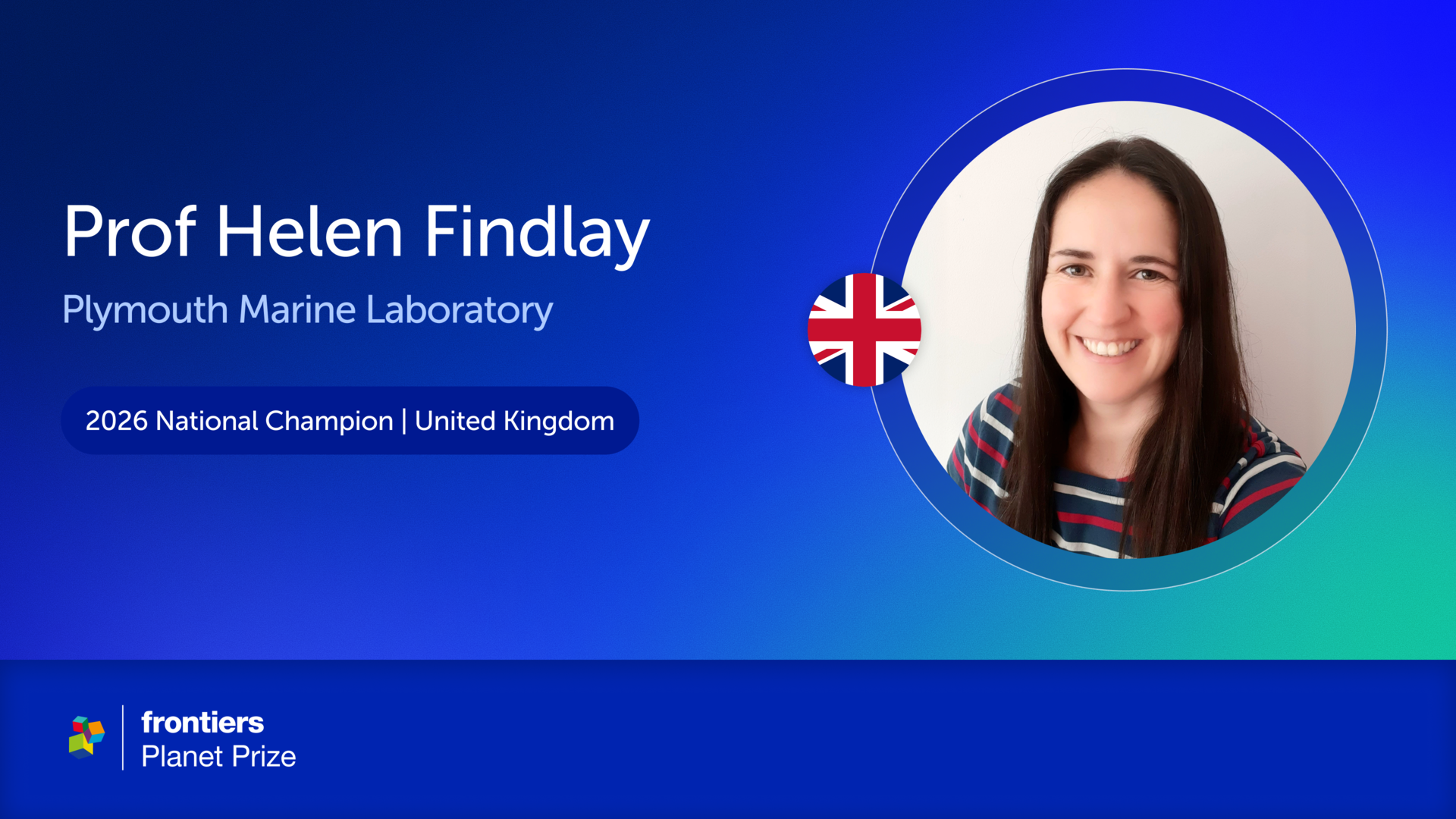
Uncovering the true severity of ocean acidification to catalyse global action
Prof Helen Findlay from Plymouth Marine Laboratory, National Champion for the United Kingdom, established that the ocean acidification (OA) planetary boundary has now been breached, delivering a comprehensive reanalysis, proposing that the boundary was surpassed in the early 2020s.
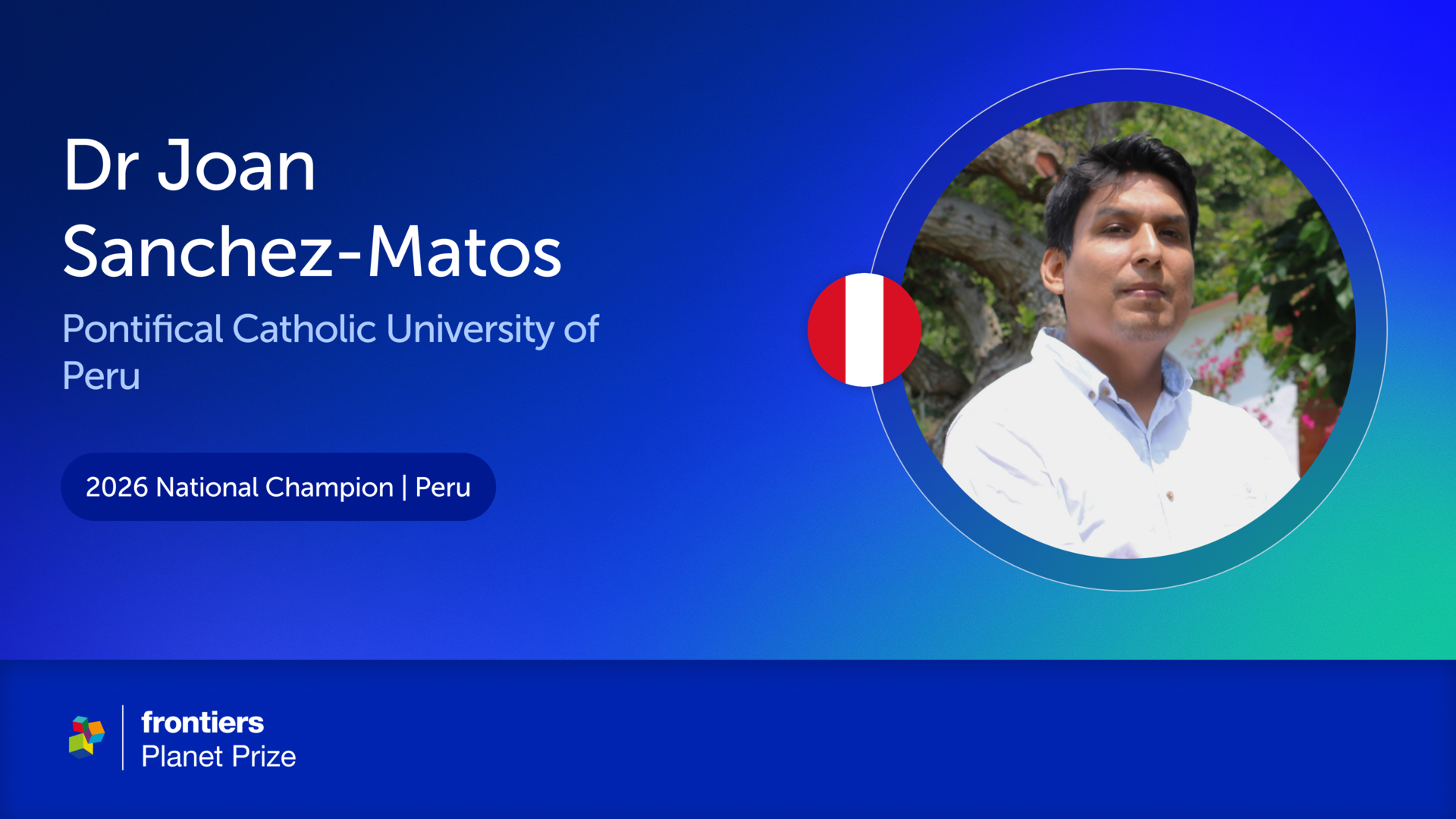
Rethinking water scarcity in Peru under climate change-driven and El Niño-disrupted scenarios
Dr Joan Sanchez-Matos from Pontifical Catholic University of Peru, National Champion for Peru, presents an update of the characterization factors (CFs) used for water scarcity in the Available Water Remaining (AWARE) model for the entire Peruvian territory based on official national databases.
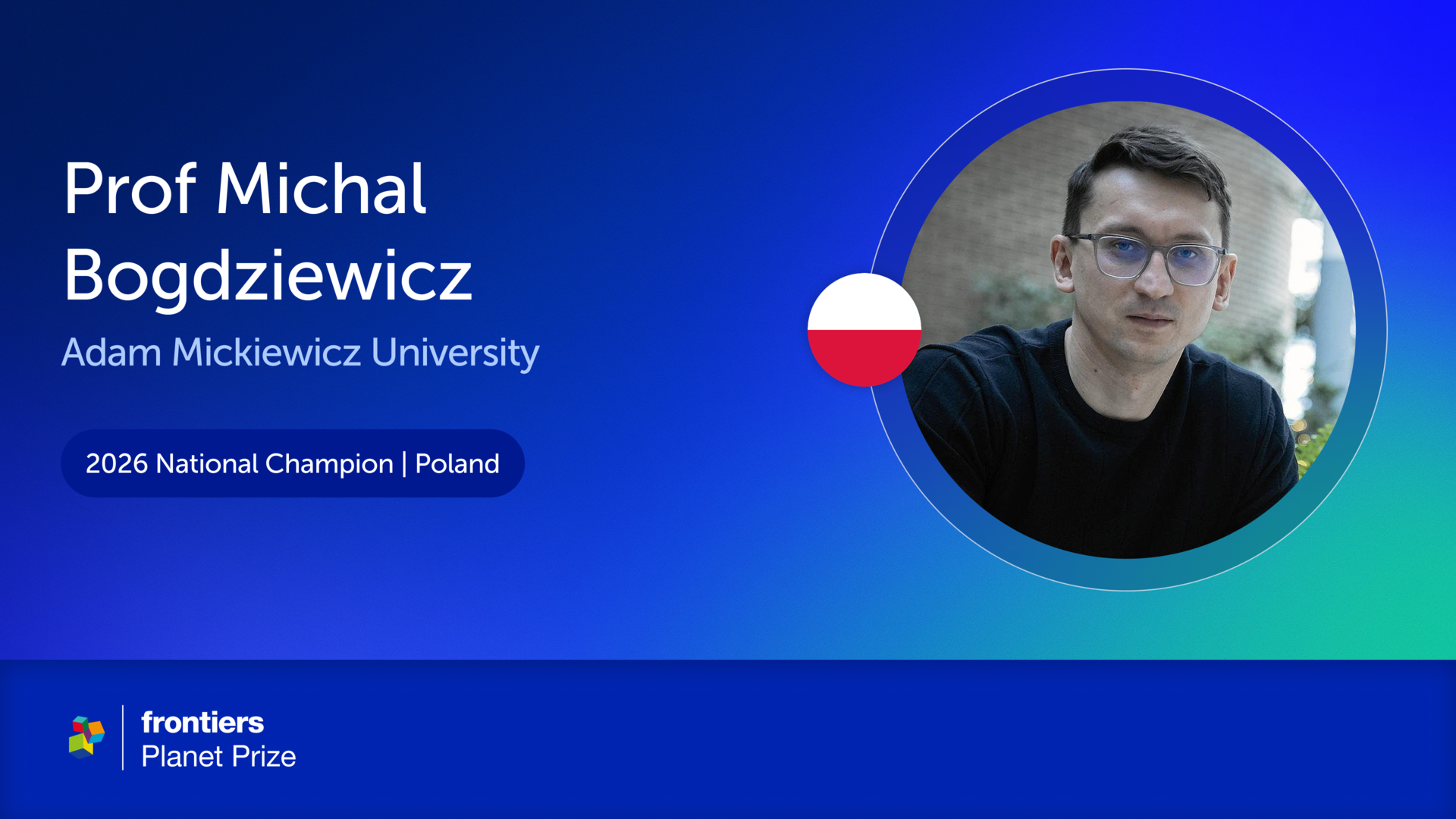
The hidden climate threat to Europe’s forests and why reproduction matters
Prof Michal Bogdziewicz from Adam Mickiewicz University , National Champion for Poland, identifies reproductive overinvestment as an early-warning signal of forest decline and provides a way to monitor and mitigate it.
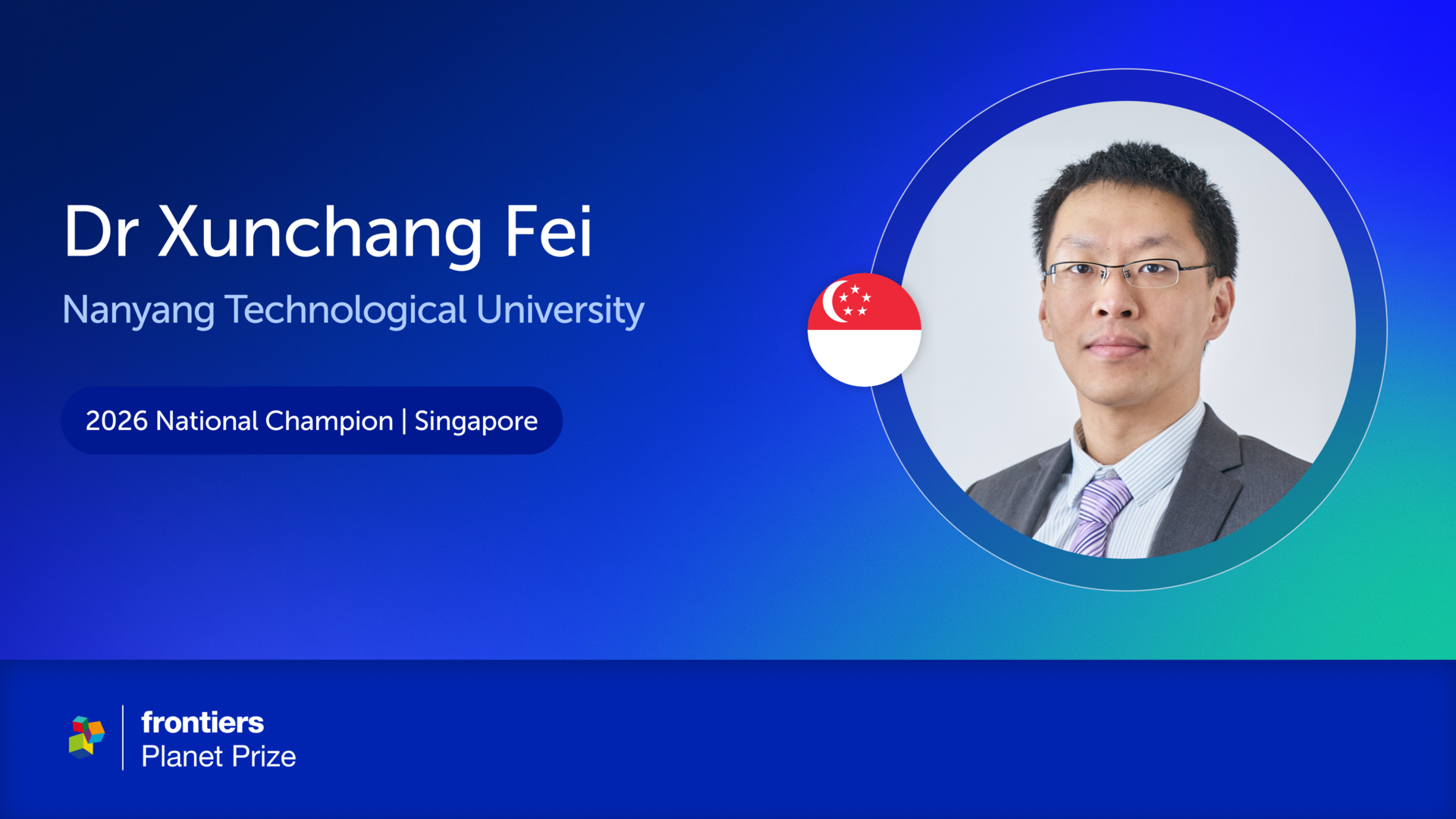
A convenient and reliable improvement to methane emission model for global landfills
Dr Xunchang Fei from Nanyang Technological University, National Champion for Singapore, issues a wake-up call to the landfill CH4 emission problem to ensure that solid waste management plays a pivotal role in a sustainable and equitable future.
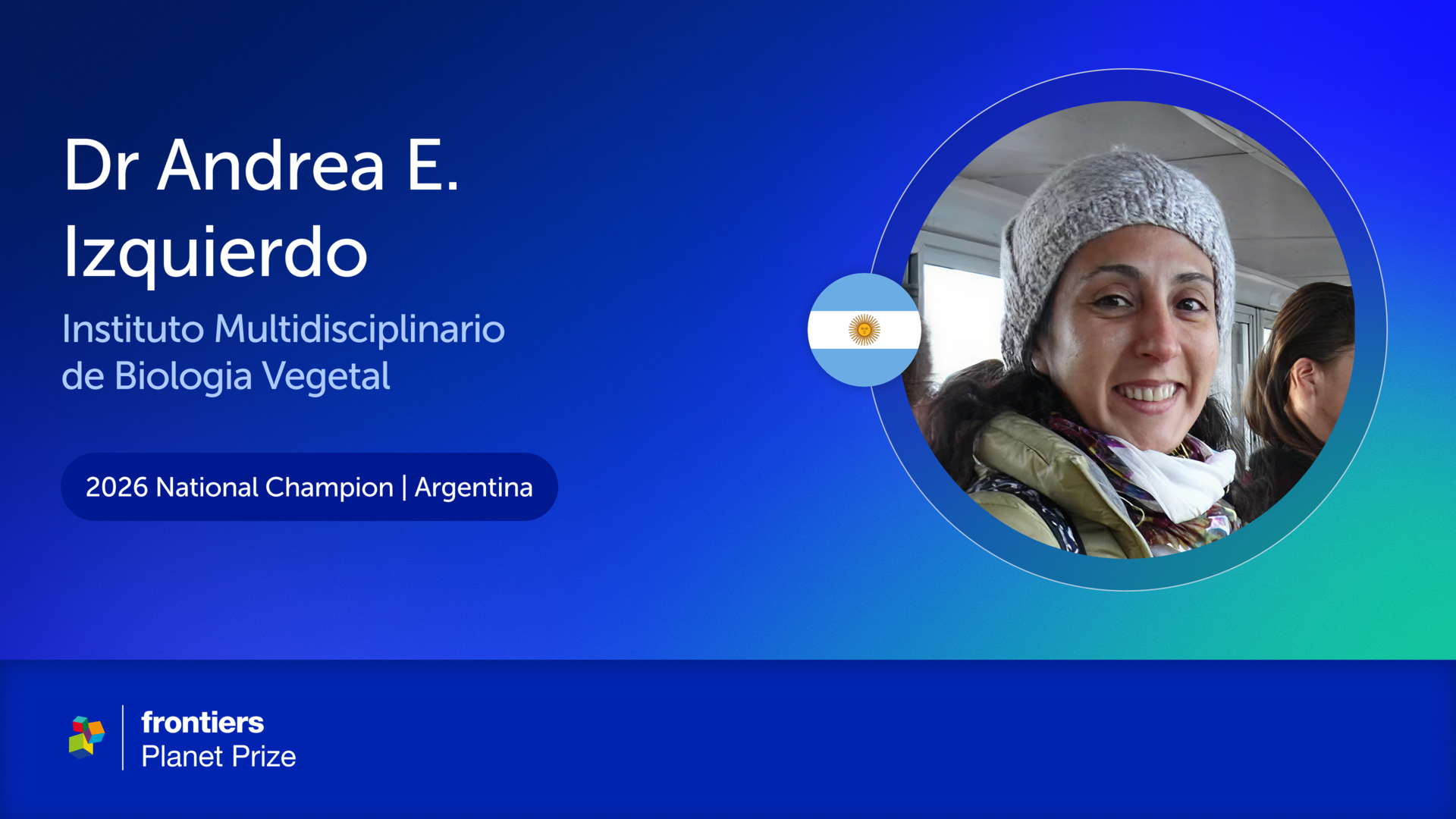
Extractivism, Local and Indigenous Knowledge, and Justice: Rethinking the Energy Transition in the Andean Salt Flats
Dr Andrea E. Izquierdo from the Instituto Multidisciplinario de Biologia Vegetal (IMBV-CONICET), National Champion for Argentina, proposes a participatory methodology to translate local and Indigenous perceptions of lithium mining impacts into measurable indicators aligned with the SDGs.